

Reclaiming the Whole You: Why It’s Time to Stop Performing
Ever feel like you’re playing a character in your own life?
Maybe it’s the "Polished Professional" at work, the "Keep-it-all-together Mum" at the school gate, or the "High Achiever" who never lets anyone see her sweat.
Most of us have spent years learning how to fit in. We’ve become experts at wearing masks, ticking boxes, and pretending we’ve got it all figured out. But let’s be honest: none of us actually do. We might feel like we’ve nailed it for a fleeting second, until life throws another curveball and we’re back to treading water.
Energetically, that constant pushing and performing is exhausting. It’s the reason so many of us feel drained, even when things "look" like they’re going well.
Understanding the "Parts" of You
We’re always looking for ways to help you stop performing and start just... being. That’s why we wanted to share a model called Internal Family Systems (IFS).
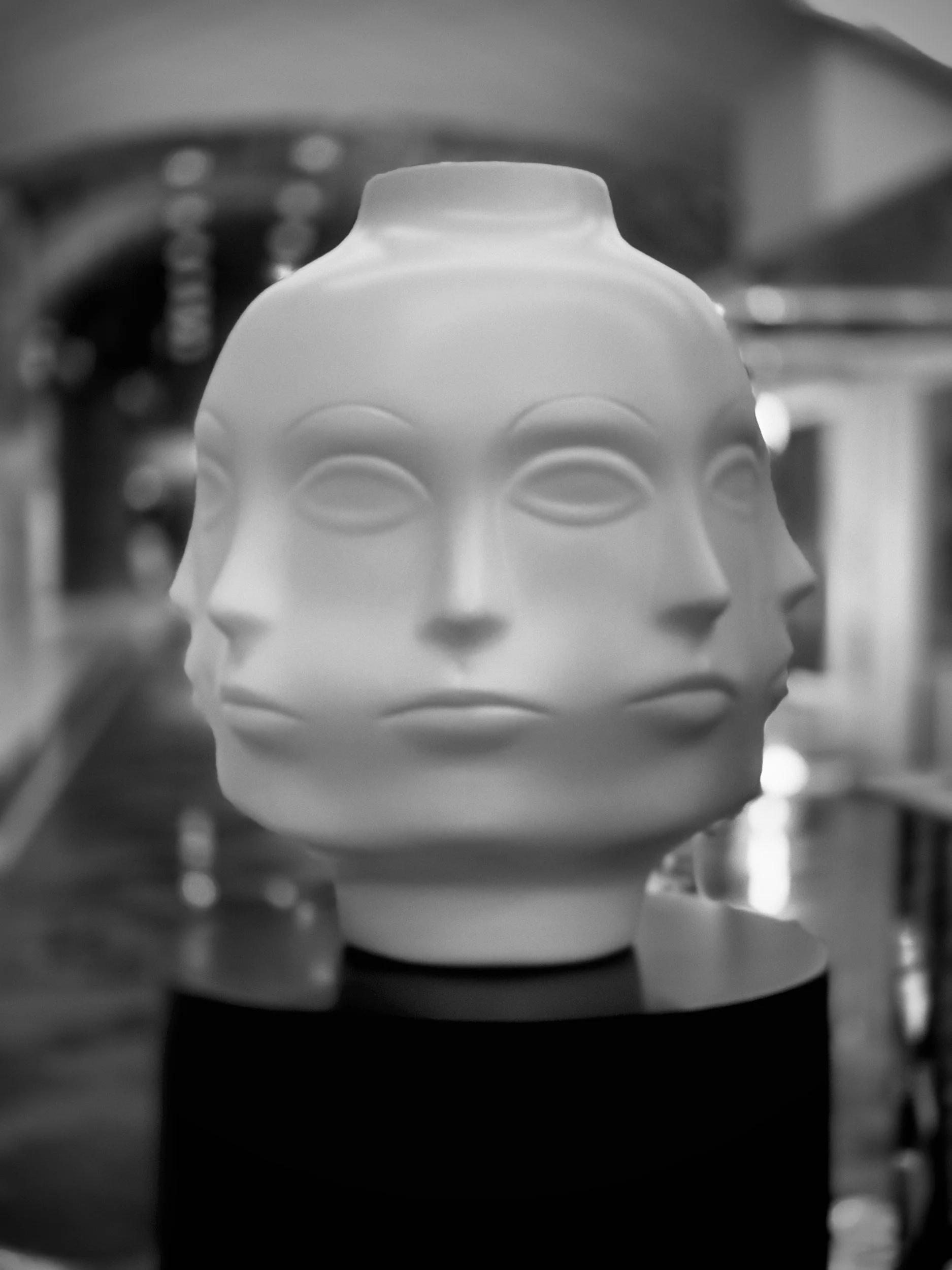
Think of it like this: you aren't just one single person. You’re made up of different "parts."
Some parts are like inner protectors. They’re the ones that make you over-prepare for a meeting so you don't look foolish, or the ones that tell you to stay quiet so you don't cause a scene. These parts aren't "bad"—in fact, Dick Schwartz (the founder of IFS and author of No Bad Parts) suggests they are all just trying to keep you safe from being judged or hurt.
Self-Improvement vs. Self-Understanding
There is a huge difference between trying to "fix" yourself and seeking to understand yourself.
Traditional self-improvement can often feel like another stick to beat yourself with. It’s about more pressure, more "optimising," and more "doing."
Self-understanding is different. It’s about looking at those parts of you that feel anxious or loud and asking, "What are you trying to tell me?" When you blend the two, you can evolve without the crushing pressure to be someone you're not. You stop trying to "fix" a broken version of yourself and start realising you were never broken in the first place.
The Power of the 8 C’s
Think back to when you were a child. Before school told you how to sit still, and before society told you what was "productive." You were likely playful, messy, and deeply curious.
IFS believes that at your core—beneath all the masks and the protectors—is your Self. This version of you is made up of what they call the 8 C’s:
Calm
Connected
Curious
Compassionate
Confident
Creative
Clear
Courageous
When we identify the "parts" that are trying to protect us by performing, we can actually step back into that core Self. We can find that sense of play again. If you’re curious to learn more about IFS you can visit their website: https://ifs-institute.com/
Why This Matters at elara
The reason we talk about this is simple: the more "you" you are, the more magnetic you become.
When you spend all your time wearing a mask, you end up attracting people and opportunities that only resonate with the mask. It leaves you feeling deeply unfulfilled because the "real you" isn't actually being seen.
As Brené Brown famously said: "Fitting in is about assessing a situation and becoming who you need to be to be accepted. Belonging, on the other hand, doesn't require us to change who we are; it requires us to be who we are."
We want you to belong, not just fit in.
Giving Yourself Space
We’re not here to give you another to-do list. We’re just here to hold the space while you take the labels off.
Next time you feel that urge to perform or "have it all together," just take a breath. Ask yourself which part of you is talking.
Which part of yourself do you usually hide away? And what would it feel like to give her a little more space to show up this week?
If you're ready to be in a room where you can finally exhale and be yourself, we’d love to see you at our next event. No masks required.
